
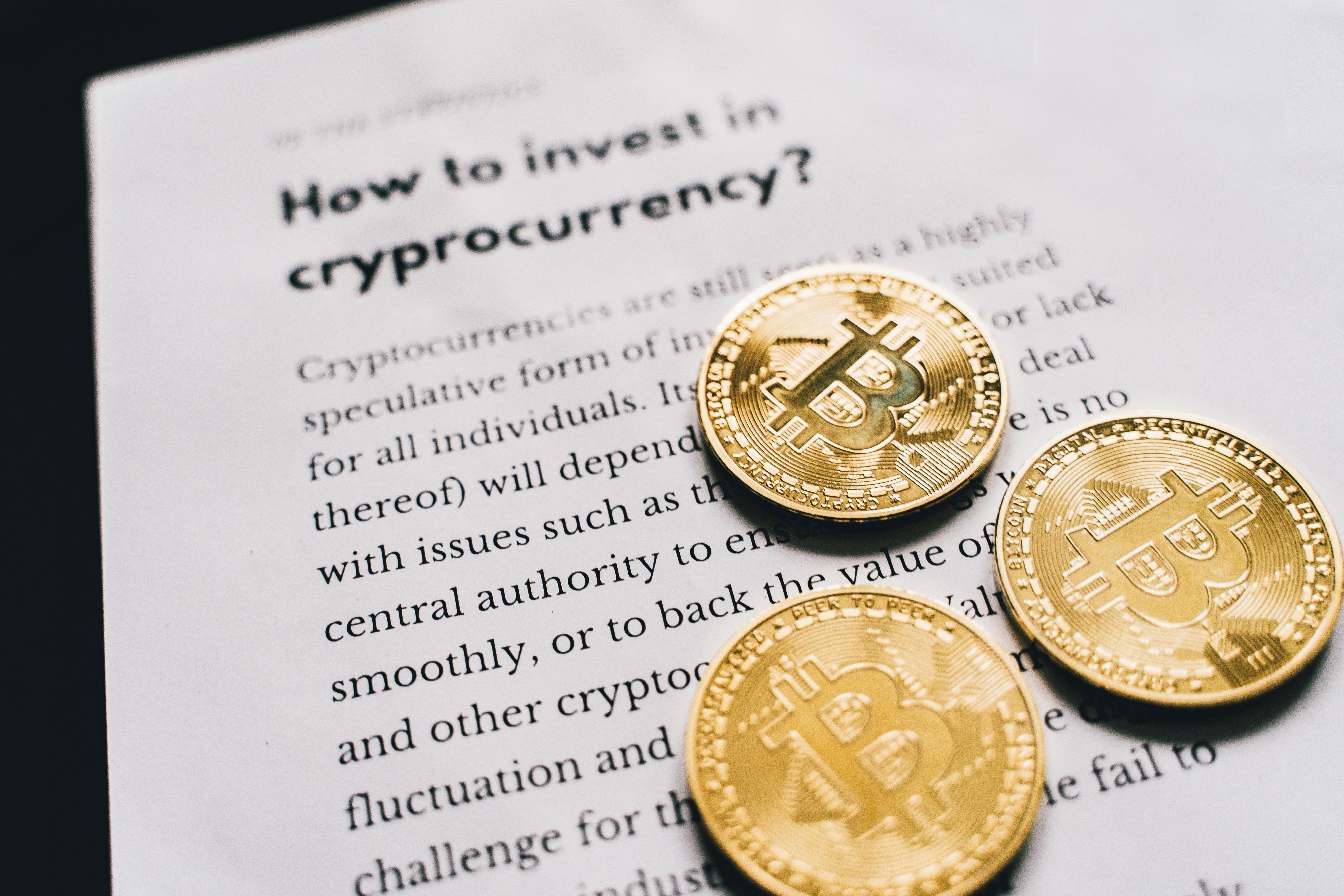
Discover how Real-World Asset (RWA) tokenization is revolutionizing investment in 2026, offering unprecedented access to fractional ownership of real estate, fine art, private equity, and commodities. This guide dives into the best digital asset platforms, comparing features, fees, and liquidity options for savvy investors looking to capitalize on this trillion-dollar market shift.
Introduction to the Topic
Welcome to 2026, where the digital frontier of finance has truly converged with tangible wealth. The once-niche concept of Real-World Asset (RWA) tokenization has exploded, becoming a cornerstone of diversified investment portfolios and a powerful engine for wealth creation. For years, traditional high-value assets like luxury real estate, exclusive fine art, and private equity funds were largely inaccessible to the average investor, locked behind high minimums, geographical barriers, and opaque, inefficient processes. Enter RWA tokenization – a blockchain-powered revolution that is democratizing access, enhancing liquidity, and transforming how we buy, sell, and own a vast array of physical and intangible assets.
In this comprehensive guide, waroftrade.us delves into the heart of RWA tokenization, exploring its mechanics, immense potential, and, most importantly, identifying the leading platforms that are enabling investors like you to tap into this multi-trillion-dollar market. Whether you're a seasoned crypto enthusiast or a traditional investor seeking innovative avenues for growth, understanding and engaging with RWA tokenization is no longer optional – it's essential for navigating the future of finance.
Backgrounds & Facts
Real-World Asset tokenization involves converting the rights and obligations of a physical or intangible asset into a digital token on a blockchain. These tokens, often referred to as 'digital securities' or 'security tokens,' represent fractional ownership of the underlying asset. Imagine owning a sliver of a skyscraper in New York, a masterpiece by a renowned artist, or a share in a high-growth startup, all managed securely and transparently on a distributed ledger.
The market for tokenized RWAs is experiencing exponential growth. Major financial institutions and consulting firms like Boston Consulting Group and McKinsey & Company project the market capitalization of tokenized assets to reach well over $10 trillion by 2030, with a significant portion of that growth materializing by 2026. This surge is driven by several factors:
- Fractional Ownership: Breaking down high-value assets into smaller, affordable units, making them accessible to a broader investor base.
- Enhanced Liquidity: Creating secondary markets for assets that were traditionally illiquid, allowing for easier buying and selling.
- Increased Transparency: Blockchain's immutable ledger provides a clear, auditable record of ownership and transactions, reducing fraud and counterparty risk.
- Global Accessibility: Investors worldwide can participate, transcending geographical boundaries and opening up new capital pools.
- Reduced Costs & Efficiency: Streamlining legal processes, eliminating intermediaries, and automating transactions through smart contracts lowers costs and accelerates settlement times.
Historically, the early stages of RWA tokenization faced regulatory ambiguities and technological hurdles. However, by 2026, significant progress has been made. Jurisdictions globally have either introduced specific digital asset regulations or adapted existing securities laws to accommodate tokenized securities, providing much-needed clarity for both issuers and investors. This regulatory maturation, coupled with advancements in blockchain scalability and security, has paved the way for institutional adoption and a more robust, compliant ecosystem.
Expert Opinion / Analysis
“The tokenization of real-world assets is arguably the most significant evolutionary step for capital markets since the advent of electronic trading,” states Dr. Anya Sharma, a leading economist specializing in digital assets at the Global Blockchain Institute. “What we’re seeing in 2026 is the rapid institutionalization of RWA tokenization. Major banks, asset managers, and sovereign wealth funds are no longer just exploring; they are actively participating, launching their own tokenization initiatives, and integrating with dedicated RWA platforms.”
This institutional embrace is a game-changer. It brings substantial capital, enhances legitimacy, and pushes for greater standardization. Experts point to several key drivers for this acceleration:
- Yield Generation: Tokenized debt and real estate can offer attractive yields, often uncorrelated with traditional equity markets, making them appealing in a volatile global economy.
- Diversification: Investors can easily diversify portfolios across a wide range of asset classes and geographies with lower minimums.
- Programmable Finance: Smart contracts allow for automated dividend payouts, royalty distributions, and complex financial instruments, creating new investment possibilities.
However, the RWA space isn't without its challenges. Dr. Sharma cautions, “While regulatory clarity has improved, fragmentation still exists across different jurisdictions. Investors must be diligent in understanding the legal framework of both the platform and the underlying asset’s domicile. Furthermore, ensuring true liquidity in secondary markets for all tokenized assets remains an ongoing effort, though significant strides are being made with specialized exchanges and decentralized liquidity pools.”
Despite these hurdles, the consensus among experts is overwhelmingly positive. RWA tokenization is not just a trend; it’s a fundamental shift in how value is represented and transferred, promising a more inclusive, efficient, and dynamic financial future.
💰 Best Options in Comparison (VERY IMPORTANT)
As the RWA tokenization market matures, a diverse ecosystem of platforms has emerged, each specializing in different asset classes or catering to specific investor profiles. Choosing the right platform is paramount for security, compliance, liquidity, and maximizing your investment potential. Here are some of the leading options in 2026, categorized by their primary focus:
- RealtyChain Pro: A pioneer in tokenized real estate, offering fractional ownership of commercial and residential properties globally. Known for its strong regulatory compliance in multiple jurisdictions and a robust secondary market for tokenized property shares. Ideal for retail and institutional investors seeking stable, yield-generating real estate exposure.
- ArtBlock Global: Specializes in high-value fine art, rare collectibles, and luxury goods. Provides fractional ownership of authenticated masterpieces and unique artifacts, making previously inaccessible assets available. Features an integrated marketplace for buying and selling art tokens, attracting art enthusiasts and investors looking for alternative asset diversification.
- Capitex Digital: Focuses on tokenizing private equity, venture capital funds, and corporate debt. Primarily caters to accredited investors and institutions, offering access to high-growth private markets with enhanced liquidity options compared to traditional private placements. Strong emphasis on due diligence and investor protection.
- MetalsVault DLT: A leading platform for tokenizing physical commodities, particularly gold, silver, and platinum. Each token is directly backed by allocated physical metal stored in secure, audited vaults. Offers a stable, inflation-hedging digital asset with instant settlement and redemption options, appealing to investors seeking a secure store of value.
To help you make an informed decision, here’s a detailed comparison of these top RWA tokenization platforms:
| Feature | RealtyChain Pro | ArtBlock Global | Capitex Digital | MetalsVault DLT |
|---|---|---|---|---|
| Primary Asset Focus | Real Estate (Commercial, Residential) | Fine Art, Collectibles, Luxury Goods | Private Equity, VC Funds, Corporate Debt | Precious Metals (Gold, Silver, Platinum) |
| Minimum Investment | From $100 - $1,000 (varies by asset) | From $500 - $5,000 (varies by artwork) | From $10,000 (Accredited Investors) | From $10 - $100 (varies by metal) |
| Platform/Tx Fees | 0.5% - 1.5% acquisition fee, 0.1% - 0.5% annual management fee | 1.0% - 2.0% acquisition fee, 0.2% - 0.7% annual management fee | 1.5% - 3.0% issuance fee, 0.5% - 1.0% annual platform fee | 0.1% - 0.3% purchase/sale fee, 0.05% - 0.1% annual storage fee |
| Jurisdiction/Compliance | US (SEC Reg A+), EU (MiCA), Singapore | EU (MiCA), Switzerland, Cayman Islands | US (Reg D, S), UK (FCA), Luxembourg | Switzerland (FINMA), Canada (OSC) |
| Liquidity Options | Active secondary market, P2P trading | Dedicated secondary marketplace, auction features | Limited secondary market for accredited investors, OTC desks | Highly liquid, instant buy/sell, direct redemption for physical |
| Target Investor | Retail & Institutional | Retail & Institutional | Accredited & Institutional | Retail & Institutional |
| Blockchain Used | Ethereum (ERC-20/ERC-1404), Polygon | Ethereum (ERC-721/ERC-1155), Flow | Avalanche, Stellar, Hedera Hashgraph | Ethereum (ERC-20), Solana |
Outlook & Trends
The trajectory for RWA tokenization in the coming years is one of accelerating innovation and integration. By 2026, several key trends are shaping its evolution:
- Deepening TradFi Integration: Expect further convergence between traditional finance and tokenized assets. Major banks will increasingly offer tokenized products directly to clients, and interbank settlement systems will likely adopt blockchain rails for tokenized securities.
- Regulatory Harmonization: While still fragmented, global regulatory bodies are working towards greater harmonization. This will simplify cross-border investments and attract more institutional players. Expect more 'digital asset specific' licenses and frameworks.
- Emergence of New Asset Classes: Beyond real estate and art, intellectual property, carbon credits, music royalties, and even human capital are becoming viable candidates for tokenization. This unlocks new revenue streams and investment opportunities.
- Advanced Liquidity Solutions: Secondary markets for tokenized assets will become even more sophisticated, leveraging AI-driven matching engines, automated market makers (AMMs) specifically designed for security tokens, and interoperable cross-chain liquidity pools.
- DeFi & RWA Synergy: The integration of tokenized RWAs into Decentralized Finance (DeFi) protocols will grow, enabling these assets to be used as collateral for loans, generate yield through lending protocols, or participate in complex financial strategies within a transparent, permissioned DeFi environment.
- ESG & Impact Investing: Tokenization will play a crucial role in verifiable ESG (Environmental, Social, and Governance) investments, allowing granular tracking of impact and transparent allocation of funds to sustainable projects.
The future sees RWA tokenization not as a separate niche but as an integral layer of the global financial infrastructure, enabling unprecedented efficiency, transparency, and access.
Conclusion
Real-World Asset tokenization is no longer a futuristic concept; it is a present reality rapidly reshaping the investment landscape of 2026. By democratizing access to high-value assets, enhancing liquidity, and leveraging the transparency and efficiency of blockchain technology, RWAs are unlocking immense value and creating unparalleled opportunities for investors.
Whether you're looking to diversify your portfolio with fractional ownership of a luxury property, invest in a piece of fine art, tap into private market growth, or simply secure your wealth with tokenized precious metals, the platforms highlighted in this article offer a gateway to this exciting new frontier. As with any investment, due diligence is key. Research each platform thoroughly, understand the associated risks and regulatory frameworks, and align your choices with your personal investment goals and risk tolerance.
The digital asset revolution is here, and RWA tokenization stands at its forefront, inviting you to participate in a more accessible, liquid, and innovative financial future. Don't just watch the trillions flow; position yourself to be a part of it.