
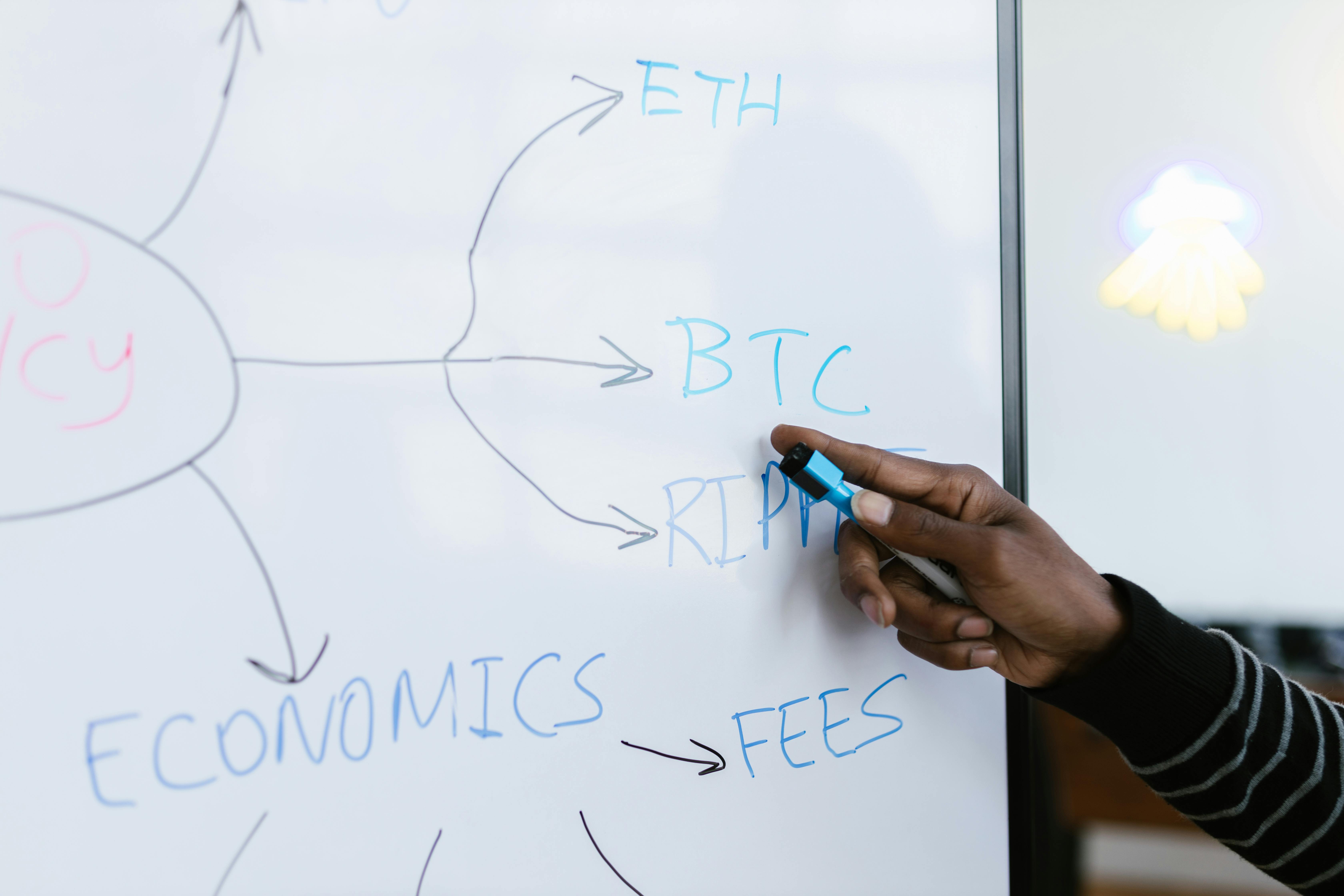
Discover how Real-World Asset (RWA) tokenization is revolutionizing investment in 2026, offering unprecedented access to fractional ownership of real estate, bonds, and commodities. Learn about the top platforms and strategies to capitalize on this trillion-dollar opportunity for sustainable DeFi yields, robust portfolio diversification, and generational wealth creation.
Introduction to the Topic
For decades, the world of high-value investments – premium real estate, blue-chip corporate bonds, and exclusive art collections – remained largely inaccessible to the average investor. Entrenched in antiquated systems, these markets were plagued by illiquidity, opaque processes, exorbitant fees, and high minimum entry points, effectively creating a velvet rope for the elite. However, as we stride into 2026, a seismic shift is underway, promising to dismantle these barriers and democratize wealth creation on an unprecedented scale: Real-World Asset (RWA) tokenization.
This isn't just another crypto trend; it's a fundamental re-engineering of how value is created, owned, and exchanged. RWA tokenization is the process of putting tangible and intangible assets from the traditional financial (TradFi) world onto a blockchain. Imagine owning a fraction of a Manhattan skyscraper, a high-yield government bond, or even a barrel of crude oil, all through a secure, transparent, and instantly tradable digital token. This convergence of TradFi and decentralized finance (DeFi) is not merely speculative; it's a multi-trillion-dollar opportunity poised to redefine investment portfolios and generate immense wealth for those who understand and act on its potential now. At waroftrade.us, we believe this is the single most significant investment narrative of the decade, and understanding it is crucial for anyone looking to secure their financial future.
Backgrounds & Facts
Real-World Assets (RWAs) encompass a vast spectrum, from physical assets like real estate, gold, and fine art to financial instruments such as corporate bonds, private equity, intellectual property, and even carbon credits. Historically, these assets have been difficult to trade, fractionalize, or transfer across borders efficiently. Tokenization changes everything.
The process involves creating a digital representation (a token) on a blockchain that corresponds to a real-world asset. This token carries legal ownership rights or economic benefits tied to the underlying asset. Smart contracts, self-executing agreements stored on the blockchain, automate the management of these tokens, handling everything from dividend distribution to ownership transfers. Crucially, a robust legal framework typically underpins these tokens, ensuring that the digital representation has enforceable rights in the physical world.
The benefits are transformative:
- Enhanced Liquidity: By fractionalizing assets into smaller, more digestible tokens, RWAs become more liquid, allowing for easier buying and selling on secondary markets.
- Fractional Ownership: High-value assets like commercial properties or multi-million dollar artworks can be broken down into thousands of tokens, making them accessible to a broader range of investors with lower capital.
- Transparency & Auditability: Blockchain's immutable ledger provides an unalterable record of ownership and transactions, drastically reducing fraud and increasing trust.
- Global Accessibility: Investors worldwide can access opportunities previously limited by geographical or institutional barriers.
- Reduced Costs & Speed: Eliminating intermediaries, paperwork, and lengthy settlement periods significantly lowers transaction costs and speeds up processes.
Major financial institutions are no longer just observing; they are actively participating. Reports from leading consulting firms like Boston Consulting Group (BCG) and institutions like BlackRock project the RWA tokenization market to reach tens of trillions of dollars by 2030. In 2026, we're seeing the foundational layers solidify, with regulatory clarity emerging in key jurisdictions (e.g., the EU's MiCA framework, evolving SEC guidance in the US), paving the way for institutional adoption. This isn't just theory; it's a burgeoning reality with tangible investment products already delivering consistent yields.
Expert Opinion / Analysis
The sentiment across both traditional finance and the crypto space is overwhelmingly positive regarding RWA tokenization. "RWA tokenization is the ultimate bridge between the multi-trillion-dollar traditional finance market and the innovative efficiency of blockchain," states Dr. Anya Sharma, lead analyst at Crypto Insights Group. "What we're witnessing in 2026 is the maturation of this thesis. Institutional players, initially hesitant due to regulatory uncertainty, are now not only comfortable but actively seeking exposure, driven by the compelling efficiencies and yield opportunities that DeFi offers."
Indeed, major banks like J.P. Morgan and Fidelity Digital Assets have already launched private blockchain initiatives to explore tokenized bonds and funds, signaling a clear intent to integrate these technologies into their core offerings. The challenges, primarily legal and regulatory harmonization across diverse jurisdictions, are being systematically addressed. Innovations in oracle technology – which securely bring off-chain data onto the blockchain – are improving the reliability of asset valuation and collateralization for tokenized assets. Furthermore, the development of robust KYC (Know Your Customer) and AML (Anti-Money Laundering) solutions specifically tailored for tokenized securities is fostering a compliant and secure environment.
"The real game-changer is the ability to unlock previously illiquid assets and make them productive within a global, 24/7 market," explains Marcus Chen, Head of Digital Assets at a prominent London-based hedge fund. "Imagine a scenario where a small business can tokenize its future receivables to secure instant, low-cost financing on a DeFi lending protocol, bypassing traditional banks entirely. Or an individual gaining exposure to a diversified portfolio of global real estate with just a few hundred dollars. This is not just about new investment products; it's about a fundamental re-architecture of global capital markets that empowers a far wider range of participants." The consensus is clear: RWA tokenization isn't just a niche; it's becoming a mainstream investment category.
💰 Best Options in Comparison (VERY IMPORTANT)
For investors with purchasing intent looking to capitalize on the RWA revolution, several platforms and strategies have emerged as leaders in 2026. These options offer diverse entry points and risk profiles, catering to various investment goals, from stable income generation to long-term capital appreciation. It's crucial to understand their unique offerings before allocating capital.
-
RealtyChain Pro: Your Gateway to Premium Tokenized Real Estate
RealtyChain Pro has established itself as a premier platform for fractional ownership of high-value commercial and luxury residential real estate. Targeting sophisticated investors and those seeking stable, tangible asset exposure, RealtyChain Pro tokenizes properties globally, from prime office spaces in major financial hubs to exclusive resort villas. Their rigorous due diligence process ensures only vetted, income-generating properties are brought onto the blockchain. Investors can earn passive rental income and benefit from potential property appreciation, all managed through transparent smart contracts.
-
BondStream Finance: Access Tokenized Government & Corporate Bonds
For risk-averse investors seeking steady, predictable income, BondStream Finance offers a compelling solution. This platform specializes in tokenizing a diverse range of fixed-income instruments, including short-term government T-bills, investment-grade corporate bonds, and even emerging market sovereign debt. By leveraging blockchain, BondStream provides instant settlement, reduced brokerage fees, and fractional access to bond markets previously dominated by institutional players. Their offerings are often MiCA-compliant in Europe and adhere to evolving securities regulations in other key markets, providing a secure pathway to traditional bond yields on-chain.
-
MetaCommodity Exchange (MCE): Tokenized Physical Commodities for Diversification
MetaCommodity Exchange (MCE) is at the forefront of tokenizing physical commodities, offering investors direct digital ownership of assets like gold, silver, crude oil, and even rare earth minerals. MCE tokens are fully backed by verifiable physical reserves, stored in audited vaults, and are redeemable. This provides a powerful inflation hedge and portfolio diversifier, allowing investors to gain exposure to commodity price movements with the liquidity and transparency of a blockchain-based market. MCE is particularly attractive for those looking to hedge against economic volatility or speculate on commodity price trends with instant, 24/7 trading capabilities.
To help you compare these leading options, here's a detailed table:
| Feature | RealtyChain Pro | BondStream Finance | MetaCommodity Exchange (MCE) |
|---|---|---|---|
| Asset Type | Commercial Real Estate, Luxury Residential Properties | Government Bonds, Corporate Debt, Structured Products | Gold, Silver, Crude Oil, Industrial Metals, Rare Earths |
| Min. Investment | $5,000 - $10,000+ | $100 - $500+ | $50 - $100+ |
| Target Yield/Return | 6-12% APR (rental income + appreciation) | 4-7% APR (fixed-income, tied to market rates) | Market-dependent (capital appreciation, hedging) |
| Liquidity | Moderate (secondary market on platform, specific trading windows) | High (active secondary market, 24/7 trading) | Very High (24/7 instant trading) |
| Regulatory Compliance | SEC-compliant (Reg D/A+ offerings), specific jurisdictional licenses | MiCA-compliant, FINRA registered, various national securities licenses | CFTC guidelines, physical asset audits, specific commodity regulations |
| Ideal Investor Profile | Long-term wealth builders, accredited investors, tangible asset seekers | Risk-averse, income-focused, portfolio diversification, institutional access | Inflation hedge, commodity traders, short-term speculation, geopolitical hedging |
Outlook & Trends
The future of RWA tokenization is not just bright; it's expansive. Looking beyond 2026, we anticipate several key trends that will further accelerate its adoption and sophistication:
- Hyper-Personalized Portfolios with AI: Artificial intelligence will play an increasingly crucial role in curating RWA portfolios. AI algorithms will analyze investor risk tolerance, financial goals, and market conditions to suggest and automatically rebalance tokenized asset allocations, optimizing for yield and diversification.
- "RWA-as-a-Service" for TradFi: Traditional financial institutions, rather than building their own blockchain infrastructure from scratch, will increasingly leverage specialized RWA tokenization platforms through an "as-a-service" model. This will dramatically lower entry barriers for banks, asset managers, and corporations, leading to a surge in tokenized offerings.
- Cross-Chain Interoperability: As more RWAs are tokenized on various blockchains (Ethereum, Solana, Avalanche, etc.), seamless cross-chain interoperability solutions will become standard. This will allow investors to move their tokenized assets effortlessly between different ecosystems, enhancing liquidity and flexibility.
- Expansion into New Asset Classes: Expect to see tokenization extend into increasingly niche and complex asset classes, including intellectual property rights (music royalties, patents), carbon credits, private credit, and even revenue-sharing agreements for startups.
- CBDCs and RWA Synergy: The proliferation of Central Bank Digital Currencies (CBDCs) will likely provide a stable, regulated on-ramp for institutional capital into the RWA space, further cementing the link between traditional and digital finance.
- Global Regulatory Harmonization: While challenges remain, the trend towards international cooperation on digital asset regulation will continue, providing greater legal certainty and facilitating cross-border RWA investments.
The RWA market is dynamic and evolving rapidly. Staying informed and adaptable will be key to harnessing its full potential.
Conclusion
The RWA tokenization revolution is not a distant fantasy; it is a powerful, tangible reality unfolding before our eyes in 2026. It represents a paradigm shift, democratizing access to historically exclusive investment opportunities and offering unparalleled liquidity, transparency, and efficiency. For investors seeking to diversify their portfolios beyond traditional stocks and bonds, or those looking for sustainable, high-yield opportunities within the crypto space, RWAs present a compelling proposition.
The time to act is now. As institutional capital continues to pour into this sector and regulatory frameworks mature, early movers stand to gain significantly. Whether your interest lies in the stability of tokenized real estate, the predictable income of digital bonds, or the hedging power of tokenized commodities, the options are becoming increasingly sophisticated and accessible. Don't let this generational opportunity pass you by. Explore the platforms mentioned, conduct your own thorough due diligence, and consider consulting a financial advisor to integrate RWA tokenization into your investment strategy. The future of finance is here, and it's tokenized.