
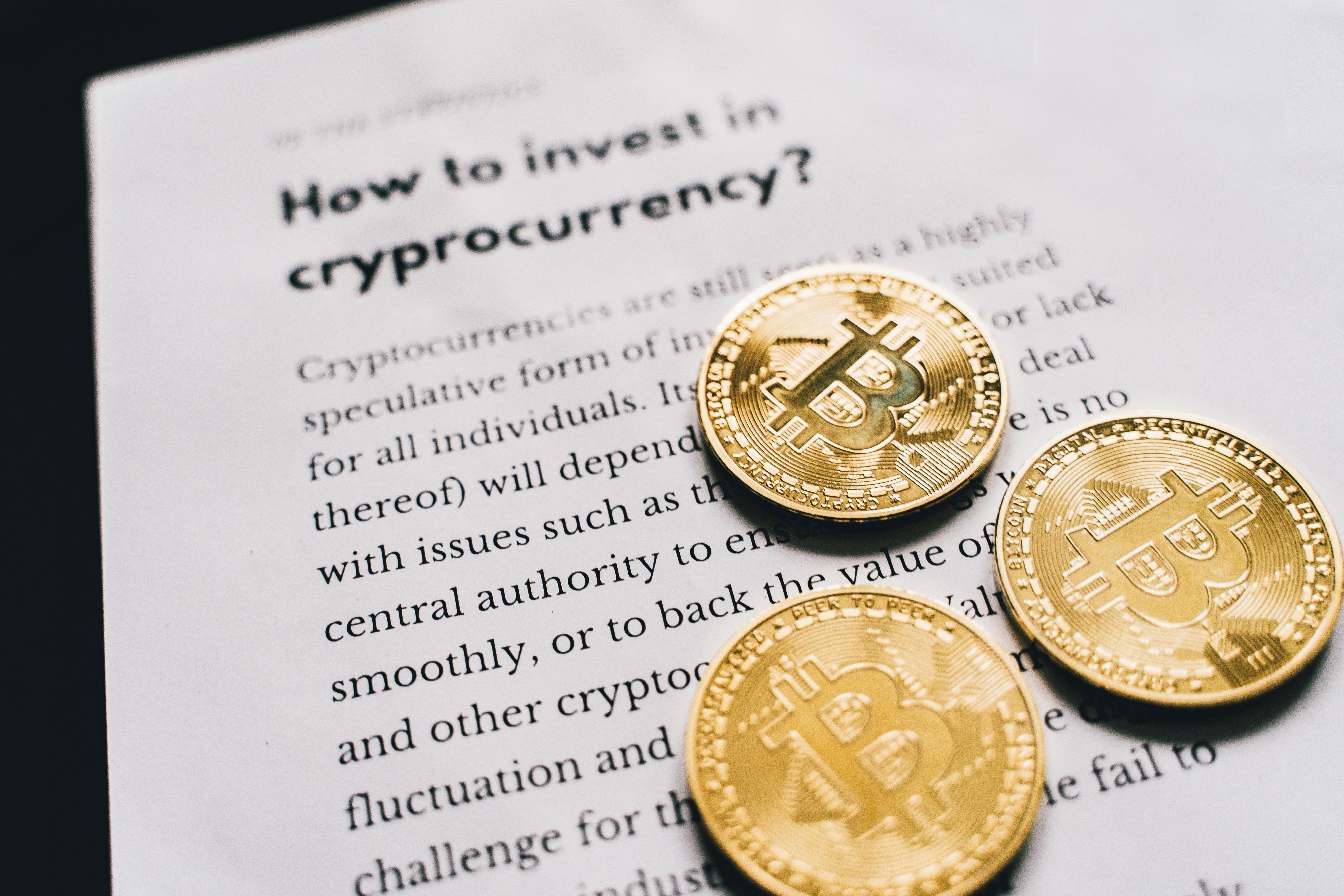
Discover how Real-World Asset (RWA) tokenization is revolutionizing investment in 2026, offering unprecedented liquidity, fractional ownership, and access to lucrative markets. This comprehensive guide helps you compare the best RWA investment platforms, understand key strategies, and capitalize on the digital asset boom for real estate, private equity, commodities, and more. Optimize your portfolio with compliant, high-yield tokenized assets today.
Introduction to the Topic
Welcome to 2026, where the lines between traditional finance and the decentralized digital economy have not just blurred – they've converged. At the forefront of this financial metamorphosis is Real-World Asset (RWA) tokenization, a paradigm shift poised to unlock trillions in value. Imagine owning a fraction of a Manhattan skyscraper, a rare Picasso, or a portfolio of private credit funds, all managed and traded with the transparency and efficiency of a blockchain. This isn't a futuristic fantasy; it's the present reality, and it's reshaping how every savvy investor, from institutional giants to retail trailblazers, approaches wealth creation.
For too long, high-value assets like real estate, fine art, and private equity have been locked behind barriers of illiquidity, high minimums, and opaque processes. RWA tokenization shatters these barriers, transforming tangible and intangible assets into digital tokens on a blockchain. These tokens represent verifiable ownership claims, making assets divisible, tradable 24/7, and accessible to a global pool of investors. As the waroftrade.us editorial team has extensively documented, 2026 marks the year RWA tokenization moves from niche innovation to mainstream investment strategy. Are you ready to claim your share of this trillion-dollar opportunity?
Backgrounds & Facts
The concept of tokenizing assets isn't new, but its maturation and widespread adoption in 2026 are. Early pioneers faced regulatory hurdles and technological limitations. Fast forward to today, advancements in blockchain scalability, interoperability, and robust regulatory frameworks across key jurisdictions have paved the way for institutional-grade RWA solutions. The market capitalization of tokenized assets has surged past the $100 billion mark, with projections by leading financial institutions like BlackRock and Goldman Sachs indicating a multi-trillion-dollar market within the next five years. This exponential growth is fueled by several undeniable advantages:
- Enhanced Liquidity: Historically illiquid assets can now be bought and sold instantly on secondary markets, reducing transaction times from months to minutes.
- Fractional Ownership: High-value assets become accessible to a broader investor base. No longer do you need millions to invest in prime real estate or a blue-chip art collection; you can own a tokenized fraction.
- Increased Transparency & Auditability: Blockchain's immutable ledger provides an unalterable record of ownership, transactions, and asset provenance, significantly reducing fraud and increasing trust.
- Reduced Costs & Middlemen: Smart contracts automate many processes traditionally handled by lawyers, brokers, and custodians, cutting down on fees and inefficiencies.
- Global Accessibility: Investors from anywhere in the world can participate, democratizing access to premium investment opportunities.
- Collateralization Opportunities: Tokenized assets can be used as collateral in DeFi lending protocols, unlocking further capital efficiency.
In 2026, the spectrum of tokenized assets is vast, ranging from real estate (residential, commercial, industrial), precious metals (gold, silver), private equity funds, corporate bonds, intellectual property, and even carbon credits. Each asset class presents unique risk-reward profiles, but the underlying technological benefits remain consistent. Understanding the diverse landscape of tokenized assets is the first step toward building a resilient and high-performing digital asset portfolio.
Expert Opinion / Analysis
Leading financial strategists and blockchain architects are unanimous: RWA tokenization is not merely a trend; it's the inevitable evolution of capital markets. “By 2030, a significant portion of global wealth will exist in tokenized form,” states Dr. Anya Sharma, Head of Digital Asset Strategy at Nexus Capital. “The efficiency gains, coupled with the ability to unlock capital from previously stagnant assets, are too compelling for traditional finance to ignore.”
Regulatory clarity, particularly in jurisdictions like Singapore, Switzerland, and increasingly the United States, has been a critical catalyst. Governments and financial authorities are recognizing the benefits while simultaneously implementing robust frameworks for investor protection and market integrity. This regulatory maturation has encouraged institutional players, including major banks and asset managers, to launch their own RWA initiatives and investment products. We're seeing a flood of capital from pension funds, sovereign wealth funds, and family offices into compliant tokenized offerings, signaling a strong vote of confidence in the asset class's long-term viability.
However, experts also caution against speculative enthusiasm. “Due diligence remains paramount,” advises Mark Chen, a seasoned crypto economist and contributor to waroftrade.us. “Not all RWA projects are created equal. Investors must scrutinize the underlying asset's quality, the legal enforceability of the tokenized claim, the security of the blockchain platform, and the regulatory compliance of the issuing entity. The promise of liquidity is only as strong as the secondary market infrastructure supporting it.” The convergence of DeFi and TradFi through RWA is creating sophisticated financial instruments, demanding a nuanced understanding of both worlds.
💰 Best Options in Comparison (VERY IMPORTANT)
Navigating the burgeoning RWA landscape requires a strategic approach. In 2026, several platforms and investment vehicles have emerged as leaders, each catering to different asset classes and investor profiles. Below, we compare some of the top options for investing in tokenized real-world assets, empowering you to make informed decisions and optimize your investment strategy.
- Institutional-Grade Tokenized Funds (e.g., NexusBridge Capital): These platforms focus on high-value, often illiquid assets like private credit, venture capital funds, and commercial real estate. They typically target accredited investors and institutions, offering stringent compliance, robust legal frameworks, and often higher minimum investments. Expect sophisticated structuring and direct access to otherwise exclusive opportunities.
- Fractional Real Estate Platforms (e.g., RealtyChain, PropToken): Ideal for retail and accredited investors seeking exposure to real estate without the traditional barriers. These platforms tokenize individual properties or portfolios, allowing investors to buy fractions of residential or commercial units. They offer diversification, passive income through rental yields, and potential appreciation.
- Tokenized Commodity & Precious Metals Providers (e.g., GoldLink, SilverVault): For those seeking stability and a hedge against inflation, these platforms offer tokenized versions of physical gold, silver, and other commodities. Each token is typically backed 1:1 by the physical asset held in secure vaults, providing verifiable ownership and easy transferability.
- DeFi-Integrated RWA Protocols (e.g., AssetFlow, CredibleDAO): These protocols bridge tokenized RWAs directly into decentralized finance. Investors can lend, borrow, or earn yield on their tokenized assets, often unlocking greater capital efficiency. They might involve a higher degree of technical understanding and risk associated with DeFi protocols, but offer competitive yields.
- Fine Art & Collectibles Tokenization (e.g., ArtBlock, CollectiVault): For investors interested in alternative assets, these platforms fractionalize ownership of high-value art pieces, rare wines, or luxury collectibles. They provide access to markets previously exclusive to ultra-high-net-worth individuals, with potential for significant capital appreciation.
To help you choose, here's a comparative table of key considerations for the leading RWA investment opportunities in 2026:
| Platform Type / Focus | Target Investor | Typical Asset Classes | Key Benefit | Minimum Investment (Approx.) | Regulatory Focus |
|---|---|---|---|---|---|
| Institutional Tokenized Funds | Accredited Investors, Institutions | Private Equity, Credit, Large-Scale Real Estate | Access to exclusive, high-yield opportunities | $100,000+ | Strict Securities Laws (e.g., SEC Reg D, MiCA) |
| Fractional Real Estate | Retail, Accredited Investors | Residential & Commercial Properties | Diversification, passive income, lower entry barrier | $100 - $1,000 | Property Law, Fractional Ownership Regs |
| Tokenized Commodities/Metals | All Investor Types | Gold, Silver, Industrial Metals | Inflation hedge, verifiable physical backing | $10 - $100 | Commodity Regulations, AML/KYC |
| DeFi-Integrated RWA Protocols | Crypto-Native, Technically Proficient | Varied RWAs (used as collateral) | Yield generation, capital efficiency | Varies (often no minimum for protocol use) | Evolving DeFi & Digital Asset Laws |
| Fine Art & Collectibles | Alternative Asset Seekers | Art, Wine, Rare Collectibles | Access to niche, high-appreciation markets | $500 - $5,000 | Art Market Regulations, Provenance Verification |
When selecting a platform, consider the transparency of their legal agreements, the security audits of their smart contracts, the liquidity of their secondary markets, and their commitment to regulatory compliance. Always perform your own research (DYOR) and consult with a financial advisor to align RWA investments with your overall financial goals.
Outlook & Trends
The future of RWA tokenization in 2026 and beyond is incredibly bright, characterized by several key trends. Interoperability will be paramount, allowing tokenized assets to seamlessly move across different blockchains and traditional financial systems. We anticipate the rise of more sophisticated cross-chain bridges and atomic swaps, further enhancing liquidity and market efficiency.
Regulatory harmonization is another critical trend. As more nations develop clear guidelines, it will reduce fragmentation and encourage even greater institutional participation. Look for the emergence of global standards for tokenized securities and a clearer legal framework for digital asset ownership and transfer.
Technological advancements, particularly in Zero-Knowledge proofs (ZK-proofs), will enable greater privacy for sensitive asset information while maintaining regulatory compliance and transparency on-chain. This will be crucial for tokenizing private equity and confidential corporate assets. Furthermore, the integration of Artificial Intelligence (AI) will enhance RWA platforms, providing better risk assessment, automated compliance checks, and personalized investment recommendations.
We'll also see an expansion into new asset classes. Beyond current offerings, expect to see tokenized intellectual property rights, music royalties, real-world data streams, and even tokenized carbon credits become increasingly sophisticated investment vehicles, aligning financial returns with environmental and social impact goals. The potential for illiquid assets in emerging markets to be tokenized and accessed by global capital is immense, promising to unlock economic growth in previously underserved regions.
Conclusion
RWA tokenization is not just a technological innovation; it's a fundamental restructuring of how we perceive, own, and trade value. In 2026, it represents one of the most compelling and transformative investment opportunities across the cryptocurrency and traditional finance landscapes. By democratizing access to high-value assets, enhancing liquidity, and streamlining processes, RWA is creating a more inclusive, efficient, and transparent global financial system.
The time to engage with tokenized real-world assets is now. By understanding the underlying principles, carefully evaluating the diverse platforms, and aligning with robust, compliant solutions, you can position your portfolio for significant growth and diversification. Don't be left behind in the trillion-dollar takeover; explore the best RWA investment options today and secure your stake in the future of finance. The opportunities are real, the assets are tangible, and the future is tokenized.