
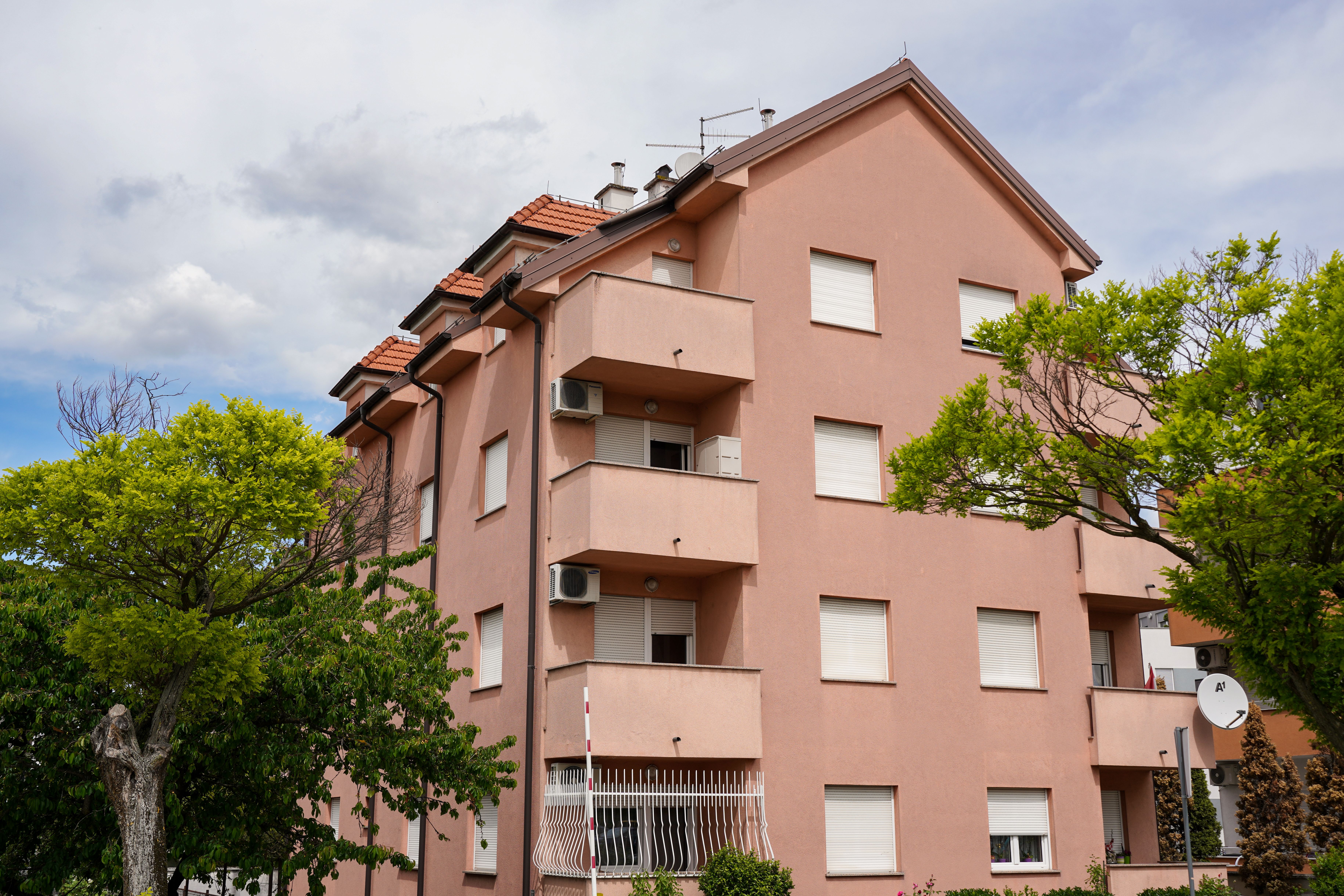
Discover how fractional real estate ownership is democratizing access to high-value commercial and luxury residential properties in 2026. Break free from traditional barriers, diversify your portfolio, and generate passive income with leading investment platforms optimized for ROI and wealth creation. Compare the best options for accredited and non-accredited investors seeking lucrative real estate opportunities.
Introduction to the Topic
For decades, direct investment in high-value real estate – think bustling commercial complexes, sprawling logistics centers, or opulent luxury residences – was an exclusive club, primarily accessible to institutional investors and ultra-high-net-worth individuals. The colossal capital requirements, intricate legalities, and intensive management demands often rendered these lucrative opportunities out of reach for the average investor. However, as we navigate 2026, a revolutionary shift has fundamentally reshaped the landscape of real estate investment: fractional ownership platforms. These innovative digital ecosystems are not just lowering the entry barrier; they are democratizing access to premium properties, allowing investors to own a piece of the pie – literally – with significantly smaller capital outlays. This article will delve into the burgeoning world of fractional real estate, exploring its mechanics, benefits, and the top platforms poised to define your investment journey in the coming years. If you're looking to diversify your portfolio, generate robust passive income, and tap into the stability and growth potential of real estate without the traditional headaches, you've come to the right place.
Backgrounds & Facts
Fractional real estate ownership, while not entirely new (think timeshares for vacation properties), has undergone a profound transformation in its application to investment-grade assets. By 2026, advanced technology – particularly blockchain for transparent record-keeping and AI for predictive analytics – has propelled these platforms into the mainstream. At its core, fractional ownership involves multiple investors collectively purchasing shares of a single property. Each investor owns a percentage of the asset, proportional to their investment, and subsequently receives a proportional share of the rental income, appreciation, and eventual sale proceeds. This model effectively pools capital, enabling the acquisition of properties that would otherwise be unattainable for individual investors.
The market for fractional real estate is experiencing exponential growth, projected to exceed $50 billion globally by 2028, driven by increased investor sophistication, the search for inflation hedges, and the enduring appeal of tangible assets. These platforms offer unparalleled access to diverse property types, including Class A office buildings, multi-family residential complexes, industrial warehouses, retail centers, and even sustainable development projects. Regulatory frameworks have matured in many jurisdictions, providing greater investor protection and clarity, though due diligence remains paramount. Investors can now choose from a spectrum of opportunities, from fully managed passive investments where the platform handles all aspects of property acquisition, management, and tenant relations, to more active models that allow for greater investor input. The evolution of these platforms signifies a pivotal moment, transforming real estate from an illiquid, high-barrier asset class into a more accessible and liquid investment vehicle for a broader investor base, including both accredited and non-accredited individuals.
Expert Opinion / Analysis
“The rise of fractional real estate isn't just a trend; it's a structural shift in how wealth is built through property,” states Dr. Evelyn Reed, Chief Economist at TerraVest Analytics. “In 2026, we’re seeing these platforms mature, offering sophisticated AI-driven valuation models and robust legal frameworks that instill confidence. What was once the domain of private equity funds is now within reach for everyday investors. This democratization is a powerful force, allowing for unprecedented portfolio diversification across geographies and asset classes, significantly de-risking individual exposure compared to owning a single property outright.”
Marcus Thorne, CEO of PropShare Innovations, a leading fractional ownership technology provider, adds, “Liquidity has historically been the Achilles' heel of real estate. While still evolving, many platforms are now integrating secondary markets or structured exit strategies that allow investors to trade their shares, offering a level of flexibility unimaginable a decade ago. However, investors must scrutinize each platform's fee structure, property management track record, and the transparency of its underlying asset selection and reporting. Not all platforms are created equal, and thorough due diligence on both the platform and the specific property is non-negotiable for maximizing ROI and mitigating risks.” Thorne emphasizes the importance of understanding the platform's target investor base – whether it caters to accredited investors seeking complex commercial deals or non-accredited individuals looking for simpler, diversified residential portfolios – to ensure alignment with one's personal investment goals and risk tolerance.
💰 Best Options in Comparison (VERY IMPORTANT)
Navigating the burgeoning landscape of fractional real estate platforms requires careful consideration. Here, we compare some of the leading options in 2026, each catering to distinct investor profiles and investment objectives. These platforms are renowned for their robust offerings, transparency, and potential for wealth generation.
- EstateFraction: Luxury Residential & Hospitality
Targeting accredited investors seeking exposure to high-end residential properties, boutique hotels, and vacation rentals in prime global locations. EstateFraction offers meticulously curated portfolios, white-glove property management, and a focus on capital appreciation and premium rental yields. Minimum investment is higher, reflecting the caliber of assets. - CommuniVest Pro: Diversified Commercial Portfolios
Ideal for both accredited and sophisticated non-accredited investors, CommuniVest Pro specializes in commercial real estate across various sectors: multi-family, industrial, logistics, and strategically located retail. They leverage AI-driven market analysis for property selection and offer diversified portfolios to mitigate risk. Known for consistent income distribution and moderate appreciation. - GreenEquity Hub: Sustainable & ESG-Focused Developments
For investors passionate about impact investing, GreenEquity Hub focuses exclusively on environmentally sustainable and socially responsible real estate projects. This includes eco-friendly residential developments, renewable energy infrastructure, and LEED-certified commercial buildings. Offers competitive returns alongside a positive environmental footprint, appealing to a growing segment of conscious investors. - AlphaDevelop: High-Growth Development Projects
Geared towards accredited investors with a higher risk tolerance and shorter investment horizon, AlphaDevelop provides access to ground-up development projects and significant renovation opportunities. These investments typically offer higher potential returns due to the value-add nature but come with increased risk and less immediate liquidity. Rigorous project vetting and experienced development partners are key.
Leading Fractional Real Estate Platforms: A 2026 Comparison
| Platform Name | Primary Asset Focus | Target Investor | Typical Minimum Investment | Fee Structure Highlights | Liquidity Options | Unique Selling Proposition |
|---|---|---|---|---|---|---|
| EstateFraction | Luxury Residential, Hospitality | Accredited | $25,000 - $100,000+ | Acquisition fee (1-2%), 0.5-1% AUM fee | Limited secondary market, property sale | Curated high-end assets, premium service |
| CommuniVest Pro | Diversified Commercial (Multi-family, Industrial, Retail) | Accredited & Sophisticated Non-Accredited | $5,000 - $50,000 | 0-1% acquisition fee, 0.75% AUM fee | Developing secondary market, property sale | AI-driven analytics, broad commercial exposure |
| GreenEquity Hub | Sustainable & ESG Development Projects | Accredited & Non-Accredited | $1,000 - $20,000 | 0% acquisition fee, 1% annual management fee | Project-specific exit, long-term hold | Impact investing focus, competitive returns |
| AlphaDevelop | Ground-up Development, Value-Add Projects | Accredited | $10,000 - $75,000 | 2% development fee, 20% profit share (after hurdle) | Project completion sale (typical 2-5 yrs) | High-risk/high-reward, shorter investment cycle |
Outlook & Trends
The future of fractional real estate ownership in 2026 and beyond looks exceptionally bright, marked by several key trends. Firstly, we anticipate further technological integration. Blockchain technology will become even more central, offering immutable records of ownership, streamlined transactions, and enhanced transparency, potentially paving the way for fully tokenized real estate assets. This could dramatically improve liquidity, allowing for near-instantaneous trading of fractional shares on secure decentralized exchanges.
Secondly, the market will likely see increased specialization and niche offerings. Beyond luxury homes and commercial buildings, platforms focusing on specific asset classes like data centers, specialized agricultural land, or even digital real estate (metaverse properties linked to real-world assets) will emerge. Global expansion is another significant trend, with platforms increasingly connecting investors from one continent to properties in another, leveraging diverse economic cycles and growth opportunities. Regulatory bodies will continue to evolve their oversight, aiming to strike a balance between fostering innovation and protecting investors, potentially leading to more standardized practices across platforms.
Finally, we expect greater consolidation within the platform space, as larger players acquire smaller, specialized ones to expand their offerings and market share. This will likely lead to more robust, feature-rich platforms that offer a wider array of investment opportunities and enhanced investor services, further solidifying fractional ownership as a legitimate and powerful tool for wealth creation and portfolio diversification in the modern investment landscape.
Conclusion
Fractional real estate ownership has transcended its niche origins to become a mainstream, highly attractive investment vehicle in 2026. By dismantling the formidable barriers of traditional real estate, these platforms empower a broader spectrum of investors to access high-value commercial and luxury residential properties, fostering diversification, stability, and significant income generation. Whether you are an accredited investor seeking sophisticated commercial ventures or a non-accredited individual looking to enter the real estate market with a smaller capital commitment, there is a platform tailored to your needs.
The key to success lies in informed decision-making. Utilize the comparisons provided, conduct thorough due diligence on both the platforms and their underlying assets, and align your investment choices with your financial goals and risk tolerance. The promise of passive income, capital appreciation, and portfolio resilience through real estate is now more accessible than ever. Don't let traditional hurdles hold you back from building a robust, diversified wealth portfolio. Explore the leading fractional real estate platforms today and unlock your potential in the evolving world of property investment.