
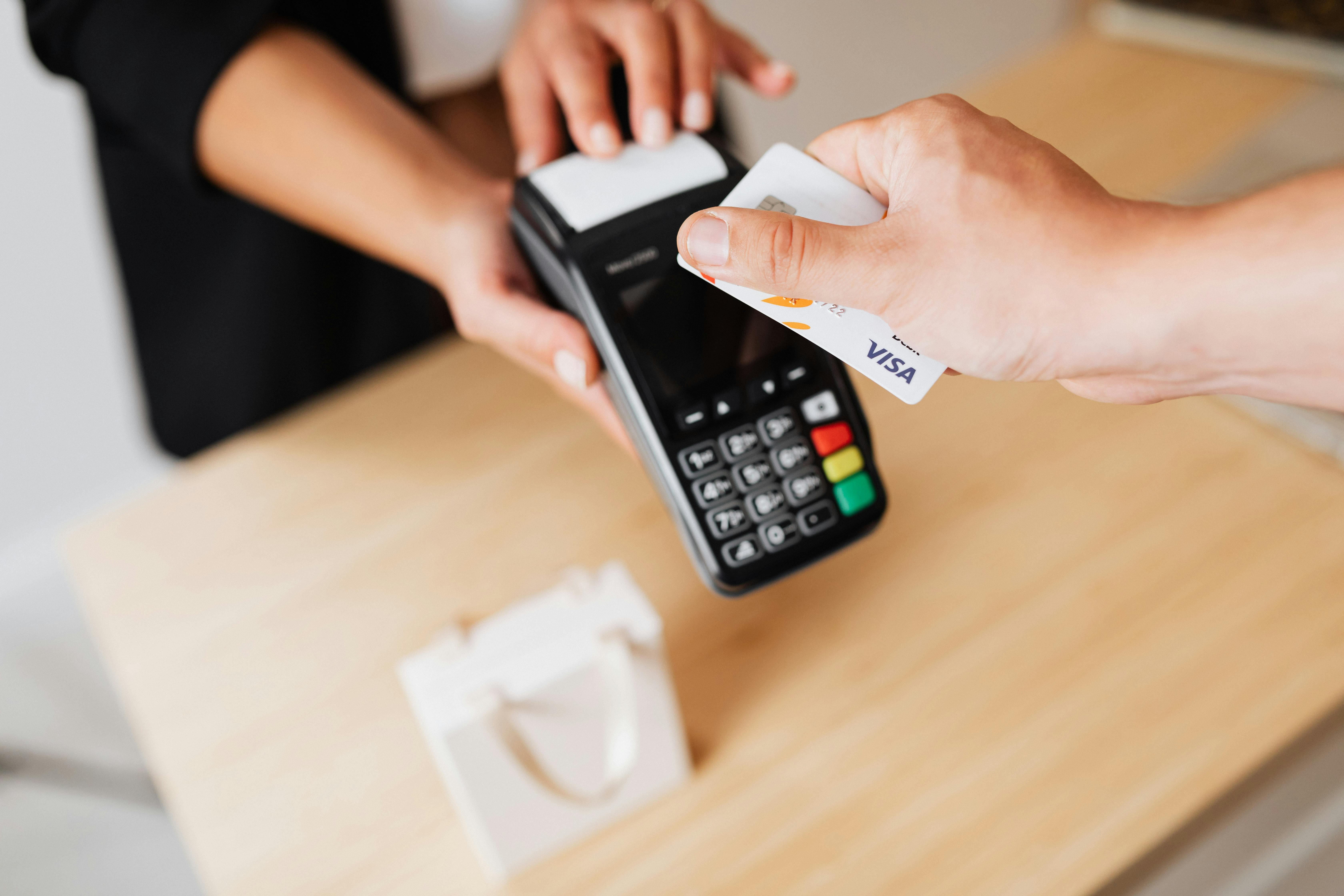
A card payment made abroad completes in a couple of seconds, but it crosses several institutions in different countries. Understanding the path explains most cross-border declines.
The parties in the chain
The merchant's bank, called the acquirer, receives the transaction from the terminal or website. It sits in the merchant's country and operates under that country's rules.
The card network routes the message from the acquirer to the issuer, the bank that gave the cardholder the card. The network sets the technical and rule framework both sides follow.
The issuer decides whether to approve. That decision is made in the cardholder's home market, using the issuer's own risk models and the cardholder's account status.
What the authorization message carries
The message includes the amount, the currency, the merchant's category code, the country, and data about how the card was presented.
Presentation matters. A chip transaction with a verified cardholder carries different data from a keyed online payment, and issuers treat the two differently.
The message is a request to hold funds, not a transfer. Settlement happens later in a separate process, which is why a hold can appear before a charge does.
Why foreign transactions decline more often
Issuer risk models weight unusual patterns, and a purchase in a country where the cardholder has no history is unusual by definition.
Amount, merchant type and speed compound this. A large purchase in an unfamiliar country at a merchant category associated with fraud is a combination models flag.
Many issuers now infer travel from earlier transactions rather than requiring notice, but a first purchase after arrival is still the most likely to be stopped.
How currency choice enters the flow
At the point of sale abroad, a terminal may offer to charge in the cardholder's home currency instead of the local one. This is dynamic currency conversion.
Choosing it moves the conversion to the merchant's side, at a rate that party sets, rather than leaving it to the network's rate applied at settlement.
The choice is disclosed on screen, and the difference between the options is usually visible in the rate shown, so it is worth reading before confirming.
Where authentication rules differ by country
Some markets require an additional authentication step for online purchases, typically a prompt from the issuer confirming the cardholder is present.
When a domestic card is used at a merchant in such a market, the authentication requirement follows the merchant's jurisdiction rather than the cardholder's.
If the issuer does not support the step in a compatible way, the transaction can fail without an obvious reason, which is a common source of unexplained online declines abroad.