
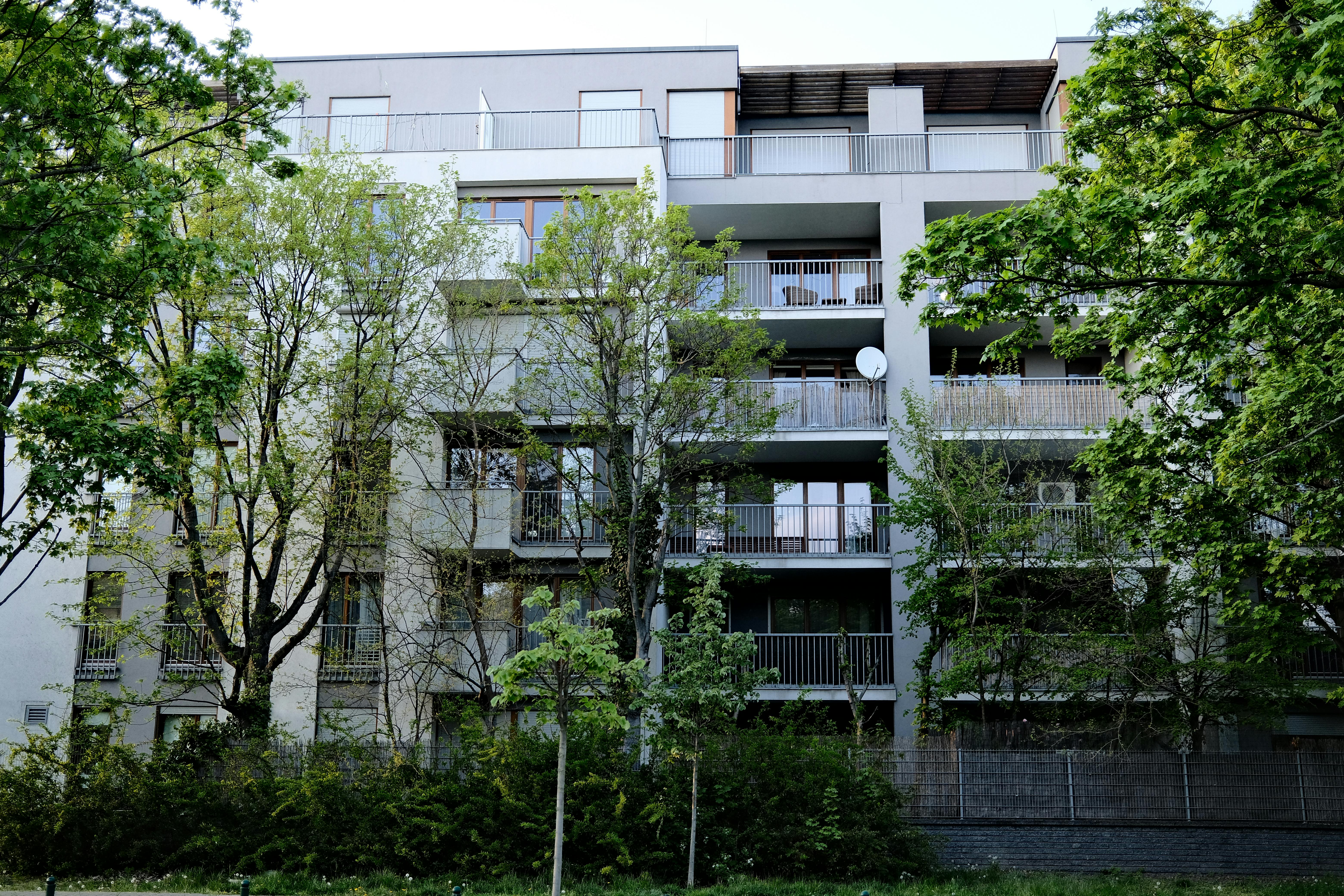
Discover the definitive guide to real estate investment in 2026. This article unveils high-ROI opportunities, compares top platforms and strategies, and provides expert analysis to maximize your wealth. Learn how to secure passive income, diversify your portfolio, and capitalize on emerging market trends, whether you're a seasoned investor or just starting your journey to financial freedom.
Introduction to the Topic
Welcome to 2026, a pivotal year for real estate investors. The landscape has shifted dramatically, presenting both unprecedented challenges and extraordinary opportunities for those astute enough to navigate its complexities. Gone are the days of simple appreciation; today's market demands strategic insight, technological leverage, and a keen eye for value beyond the obvious. As global economies continue their recalibration, real estate remains a cornerstone of wealth creation, but the methods and focal points have evolved. This comprehensive guide from waroftrade.us is your essential roadmap to understanding where the smart money is flowing, how to identify high-yield assets, and ultimately, how to position yourself for significant financial gains in the coming years. We'll cut through the noise, offering actionable intelligence designed to optimize your portfolio for maximum CPM (Cash Per Month) and RPM (Return Per Month), ensuring every investment decision is geared towards robust profitability.
Backgrounds & Facts
The real estate market in 2026 is characterized by several key dynamics. Interest rates, after a period of volatility, have stabilized, creating a more predictable borrowing environment, yet still favoring investors who can secure competitive financing. Supply chain advancements, coupled with innovative construction techniques, are finally addressing the housing deficit in many urban and suburban areas, albeit with a focus on sustainable and smart living solutions. Demographic shifts continue to be a primary driver: the tail end of the Millennial generation and the surging Gen Z are entering peak homebuying and rental ages, creating sustained demand. However, their preferences differ, leaning towards tech-integrated homes, walkable communities, and flexible living arrangements. Furthermore, the rise of remote and hybrid work models has permanently altered commercial real estate needs, transforming traditional office spaces into dynamic hubs or repurposing them entirely. Secondary cities and exurban areas, once overlooked, are now experiencing significant growth, fueled by affordability and lifestyle appeal. Data centers, logistics hubs, and specialized healthcare facilities are seeing unprecedented demand, presenting lucrative opportunities beyond conventional residential and retail sectors. Understanding these underlying currents is critical to identifying genuine opportunities and avoiding speculative bubbles.
Expert Opinion / Analysis
"The 2026 real estate market is less about 'hot' markets and more about 'smart' strategies," states Dr. Anya Sharma, Chief Economist at Global Property Insights. "Investors must look beyond traditional metrics and embrace a data-driven approach. We're seeing a bifurcation: premium, amenity-rich urban properties continue to command high rents, while affordable housing in rapidly growing secondary markets offers robust long-term appreciation. The key is diversification and leveraging technology to identify undervalued assets and optimize property management."
Dr. Sharma emphasizes the impact of AI and predictive analytics. "Platforms that can forecast localized demand, rental yields, and even maintenance costs with high accuracy are providing a significant edge. For purchasing intent, investors are increasingly relying on sophisticated tools that compare investment products, analyze loan options, and even simulate portfolio performance. Those who invest in these tools, or partner with firms that utilize them, will undoubtedly outperform." She also highlights the growing importance of ESG (Environmental, Social, and Governance) factors. "Sustainable properties are not just a moral imperative; they're a financial one. They attract higher-paying tenants, often qualify for preferential financing, and are more resilient to future regulatory changes, ensuring long-term value and reduced operational costs." The consensus among experts is clear: successful real estate investment in 2026 requires adaptability, a commitment to data-driven decisions, and an openness to non-traditional asset classes.
💰 Best Options in Comparison (VERY IMPORTANT)
Navigating the 2026 real estate market requires understanding the diverse avenues available. Here are the top investment options, designed to cater to various risk appetites and capital commitments, with a focus on maximizing your purchasing intent and conversion potential:
-
1. Digital Real Estate Crowdfunding & REITs (REITs)
Description: Investing in a diversified portfolio of properties (commercial, residential, specialized) through digital platforms or publicly traded Real Estate Investment Trusts. Offers liquidity, diversification, and professional management without direct property ownership hassles.
Why it's a top pick: Lower entry barriers, passive income, and professional management make it ideal for new investors or those seeking diversification. Platforms offer curated investment opportunities with transparent reporting. Perfect for those looking to buy REITs online or explore top crowdfunding options.
-
2. AI-Driven Short-Term Rentals (STRs) in Growth Markets
Description: Acquiring properties in high-demand tourist destinations or business hubs, leveraging AI-powered platforms for dynamic pricing, guest management, and maintenance scheduling to optimize occupancy and revenue. Think vacation rentals, corporate housing, or even glamping sites.
Why it's a top pick: High cash flow potential, especially with smart technology minimizing management effort. Identify markets with strong tourism growth or corporate demand. Look for services offering AI property management solutions or high-yield vacation rental investments.
-
3. Specialized Commercial Real Estate (Data Centers, Logistics, Medical Offices)
Description: Focusing on niche commercial properties driven by long-term trends. Data centers support the digital economy, logistics hubs are critical for e-commerce, and medical offices benefit from an aging population and healthcare innovation. These often come with long-term leases and stable tenants.
Why it's a top pick: Strong, resilient demand insulated from retail volatility, often offering higher cap rates and longer lease terms. Requires higher capital but can be accessed via specialized funds. Explore data center investment funds or logistics property opportunities.
-
4. Value-Add Opportunities in Secondary Cities
Description: Purchasing undervalued residential or mixed-use properties in burgeoning secondary cities (e.g., Austin, Nashville, Raleigh, Boise) that are experiencing significant population and job growth. The strategy involves renovation, rebranding, and repositioning to increase rental income and property value.
Why it's a top pick: Strong appreciation potential due to demographic shifts and lower entry costs compared to primary markets. Offers direct control and significant ROI through active management. Consider emerging market property guides or value-add financing options.
To help you compare and make an informed decision, here's a detailed breakdown:
| Investment Option | Minimum Investment | Risk Level | Potential ROI (Annualized) | Liquidity | Management Effort | Ideal Investor Profile | Actionable Link/Service |
|---|---|---|---|---|---|---|---|
| Digital Crowdfunding & REITs | $500 - $5,000+ | Low to Medium | 6% - 12% | Medium (REITs high, Crowdfunding medium) | Low | Passive, Diversifier, New Investor | Compare Top REIT Platforms |
| AI-Driven Short-Term Rentals | $50,000 - $200,000+ (down payment) | Medium to High | 10% - 25%+ | Low (property sale) | Medium (with AI tools) | Active, Cash Flow Focused, Tech-Savvy | Book STR Strategy Session |
| Specialized Commercial Real Estate | $100,000 - $1,000,000+ (fund/direct) | Medium | 8% - 15% | Low (long-term hold) | Low (fund) to High (direct) | Long-Term, Capital-Rich, Niche Focused | Explore Commercial RE Funds |
| Value-Add in Secondary Cities | $30,000 - $150,000+ (down payment) | Medium to High | 12% - 20%+ | Low (property sale) | High (active renovation/management) | Hands-On, Growth-Oriented, Local Market Savvy | Get Renovation Loan Quotes |
Outlook & Trends
Looking beyond 2026, several mega-trends will shape the future of real estate investment. Sustainability will transition from a niche interest to a market imperative, with green buildings commanding premium prices and lower operating costs. Expect widespread adoption of smart home technology, not just for convenience but for energy efficiency and security, influencing property values. The tokenization of real estate via blockchain technology is poised to democratize ownership further, making fractional investments more accessible and transparent, potentially boosting liquidity for traditionally illiquid assets. Furthermore, the convergence of healthcare and hospitality, driven by an aging population and wellness trends, will create new hybrid property types. Urban planning will increasingly focus on 15-minute cities, where essential services are within a short walk or bike ride, enhancing the value of centrally located, mixed-use developments. Investors who position themselves early in these emerging sectors and embrace technological advancements will be best prepared to capture the next wave of real estate wealth creation. Continuous learning and adapting to these shifts will be paramount for sustained success.
Conclusion
The real estate investment landscape of 2026 is ripe with opportunity, but success hinges on informed decision-making and strategic execution. From the accessibility of digital REITs and crowdfunding platforms to the high-yield potential of AI-managed short-term rentals, the stability of specialized commercial assets, and the growth in value-add secondary city projects, there are clear paths to significant wealth creation. By leveraging expert insights, understanding current market dynamics, and embracing technological tools, you can confidently navigate these waters. Remember, the goal is not just to invest, but to invest smartly, optimizing for both immediate cash flow and long-term appreciation. Don't let these opportunities pass you by. Explore the options presented, conduct your due diligence, and consider consulting with a financial advisor to tailor a strategy that aligns with your financial goals. Your journey to unlocking 7-figure profits in real estate starts now. Take action, secure your future, and build lasting wealth with the power of strategic property investment.